
Every charger has a story …
Some spend years in busy public locations, others see lighter use, but eventually many reach the point where operators begin asking the same question: should this charger be repaired, refurbished or replaced?
To find out how those decisions are made, we went behind the scenes with our service and refurbishment team. They shared what they learn from chargers returning from the field and what operators should consider before assuming a charger’s working life is over. Their perspective reveals what influences refurbishment decisions and why appearances can sometimes be misleading when assessing a charger’s remaining potential.
One of the most common reasons chargers come back for refurbishment is simple: the exterior has aged faster than the technology inside.
Charging stations spend years exposed to weather, temperature changes, frequent handling, and everyday wear. The housing can start looking tired while the charger itself still has plenty of useful life ahead.
Refurbishment is also often combined with servicing. When a unit is already coming back for technical work, it makes sense to assess the exterior, hardware, and overall condition at the same time.
There is no single answer to whether refurbishment makes sense. Firstly, it is important to look at how intensively the charger has been used and what kind of workload it has experienced.
A unit in a busy public or fleet location may have had a very different life from one used only occasionally. That history helps determine what needs attention and what can still remain in service.
The decision also comes down to economics and future use. For some operators, the appearance of the charger matters a lot; for others, functionality is the main priority.
Repair, refurbishment, and replacement all have their place. The right choice depends on technical condition, expected future use, and whether the investment still makes sense.
Once the necessary work has been completed, a refurbished charger does not simply get cleaned, closed, and shipped back.

It goes back through testing.
This is one of the details our service team considers particularly important: the standard hardware tests performed on a refurbished charging station are the same standard hardware tests carried out on newly produced chargers before they leave our production site.
Any required customer-specific configuration is checked as well.
A refurbished charger can look very close to new, especially when exterior elements are replaced. But the visual transformation is only part of the story. What really matters is what happens underneath: inspection, service, configuration, and testing.
A common misconception is that a refurbished product must somehow be lower quality than a new one.
In practice, the more relevant question is not whether the charger is new or used, but what condition it is in, what has been renewed, and how it has been tested before returning to service.
At Etrel, refurbished chargers go through the same standard hardware testing process as newly produced units, and the serviced or refurbished work is covered by the applicable warranty.
One of the strongest lessons from working on older chargers is that refurbishment starts at the design stage.
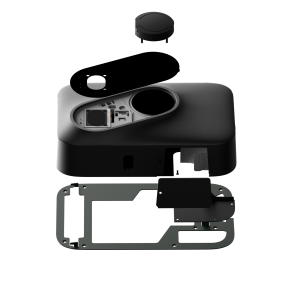
Material quality, product construction, accessibility of components and the ability to replace individual parts all influence how easily a charger can be repaired or renewed years later.
At the same time, products keep evolving. Components change, designs improve, and new revisions are introduced. Those improvements are crucial, but they make refurbishment a bit more complex. The team needs to understand not only the charger as it exists today, but also the version that originally left the factory years earlier.
That team’s knowledge becomes increasingly valuable as the product ages.
There is a clear advantage when a charger returns to the same company that originally developed and manufactured it.
The team already understands how the product was assembled, how it should behave, and how it has evolved over time. That makes it easier to determine how the unit should be prepared before it goes back into operation.
Every charger that comes back also teaches us something.
Years of real-world use reveal how products behave outside the lab. That feedback can inform future product design, servicing, and the way we build the next generation of charging infrastructure.
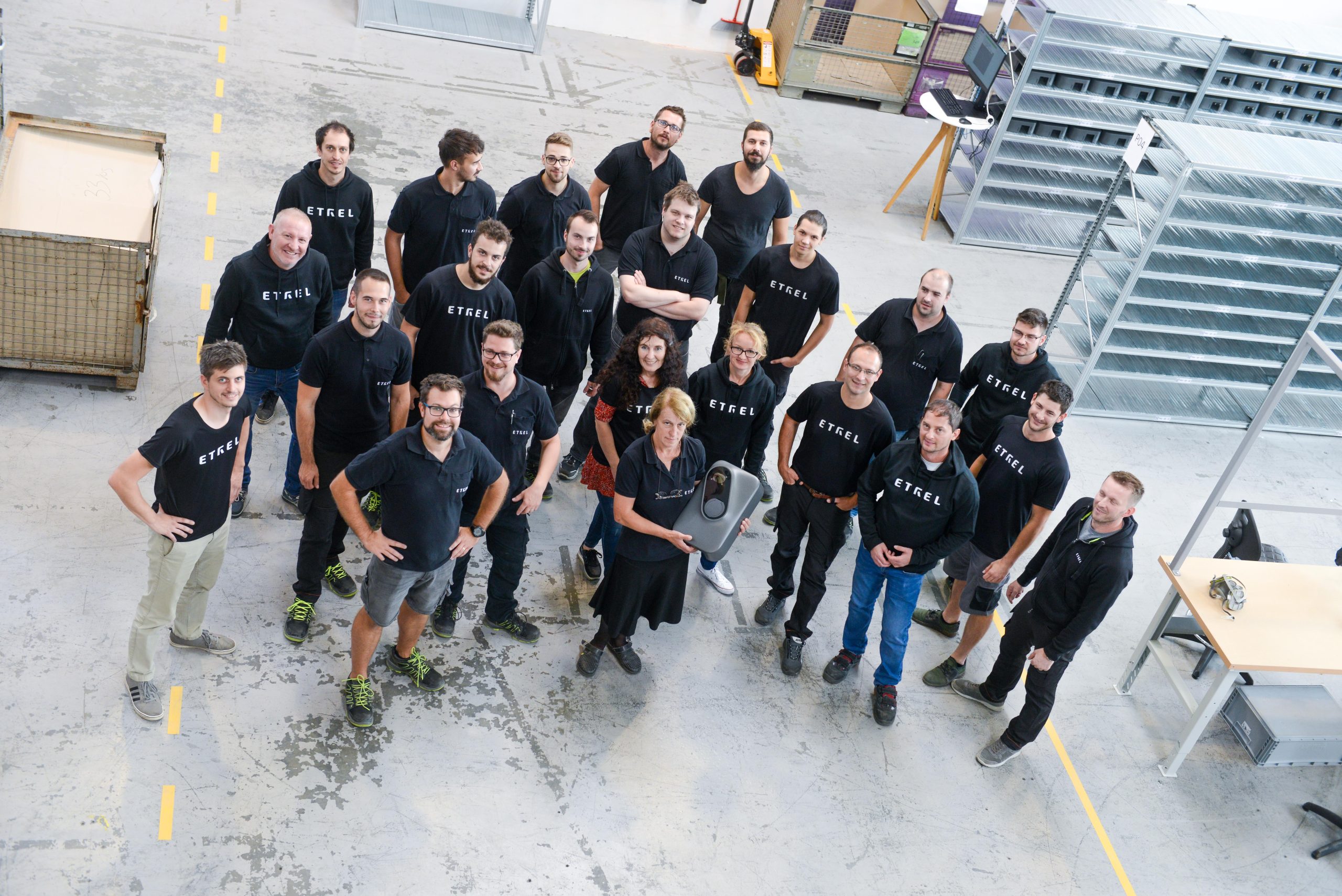
When we asked the team what they find most satisfying, the answer was simple: seeing a large batch of serviced and refurbished chargers lined up and ready to leave.
They have already had one life in the field. Now they’re ready for the next one.
Want to know more?